

Below roughly 50,000 to 100,000 units, material and tooling cost tend to dominate a bottle quote.
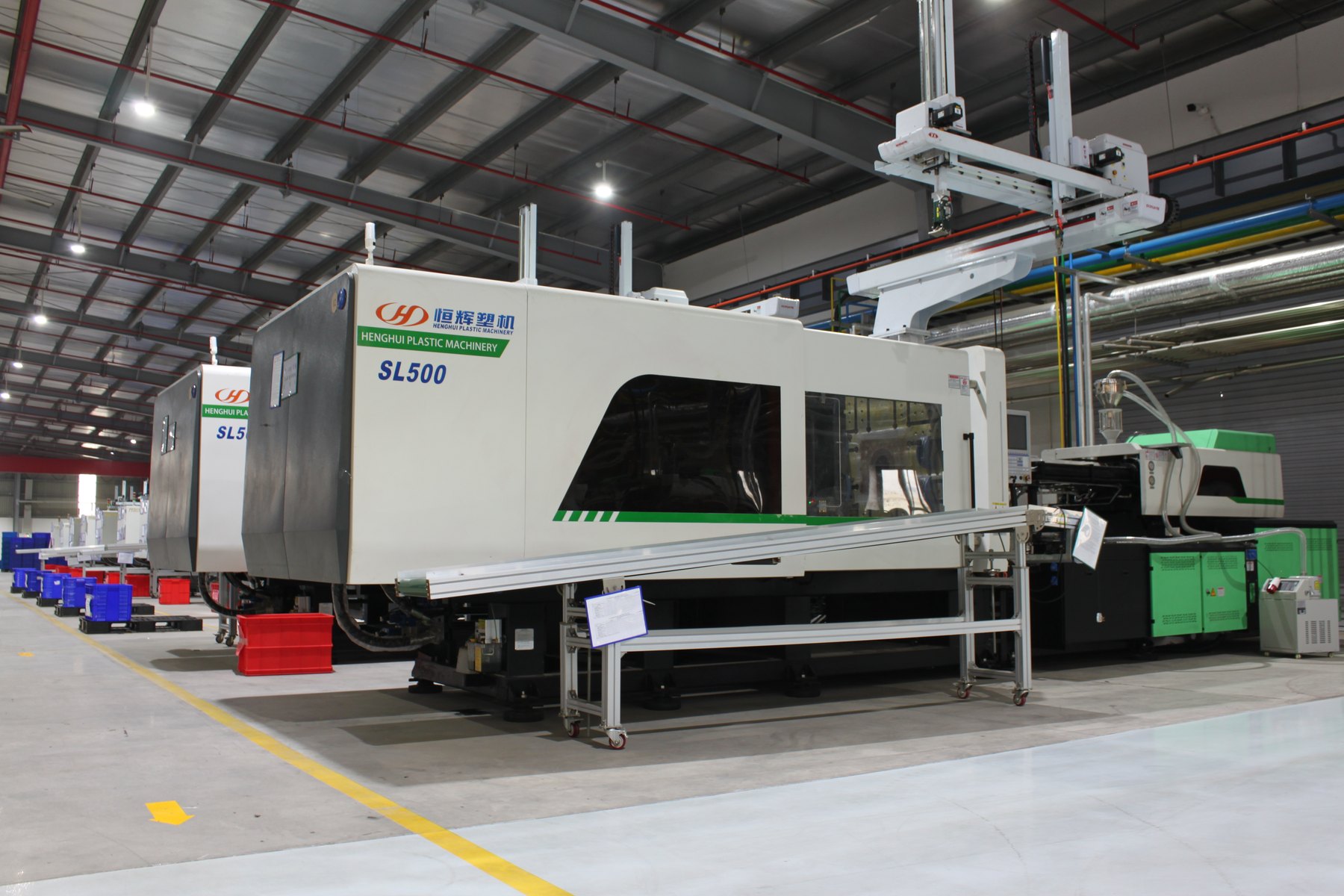
Past that threshold, machine time starts to matter as much or more. How many cavities a mold has and how fast each cycle runs becomes the real constraint, because press-hour availability determines how fast an order can actually ship. This is also where higher cavitation starts to pencil out, and where cycle time engineering stops being a marginal exercise.
A tool that will run millions of shots is not the same tool that runs 80,000. Steel grade moves from P20 toward H13, which costs more upfront and machines slower, but survives the shot count without a refurbishment cycle partway through the program.
At high volume, resin purchasing moves from opportunistic spot-market buying to contracted supply agreements with defined pricing and volume commitments. That stabilizes cost but requires more advance forecasting from the brand.
A supplier still buying HDPE on the spot market for a six-figure order is exposed to price volatility a contracted arrangement smooths out, which is worth asking about directly.
Small orders can reasonably be 100 percent visually inspected. High-volume production shifts to statistical process control, tracking weight, dimensional, and visual defect rates against control limits across the run.
Sampling frequency gets defined in a quality plan. It is a scalable method for catching drift before it produces a large batch of defective product, and in-line vision systems do most of the work.
At six-figure unit volumes, case pack configuration, pallet stacking pattern, and container loading efficiency start affecting landed cost meaningfully.
A bottle shape that stacks 8 percent less efficiently in a container translates directly into more shipping cost per unit at scale. Review it at the design stage against container weight and cube limits.
Tooling, sourcing, and QC approach get requalified when a program crosses into high-volume territory. For tariff-adjusted sourcing at scale, see Jadewell's Section 301 update.
Jadewell runs high-cavitation HDPE bottle programs across commodity and industrial lines at both plants. Request a quote at the annual volume with the target case pack.