

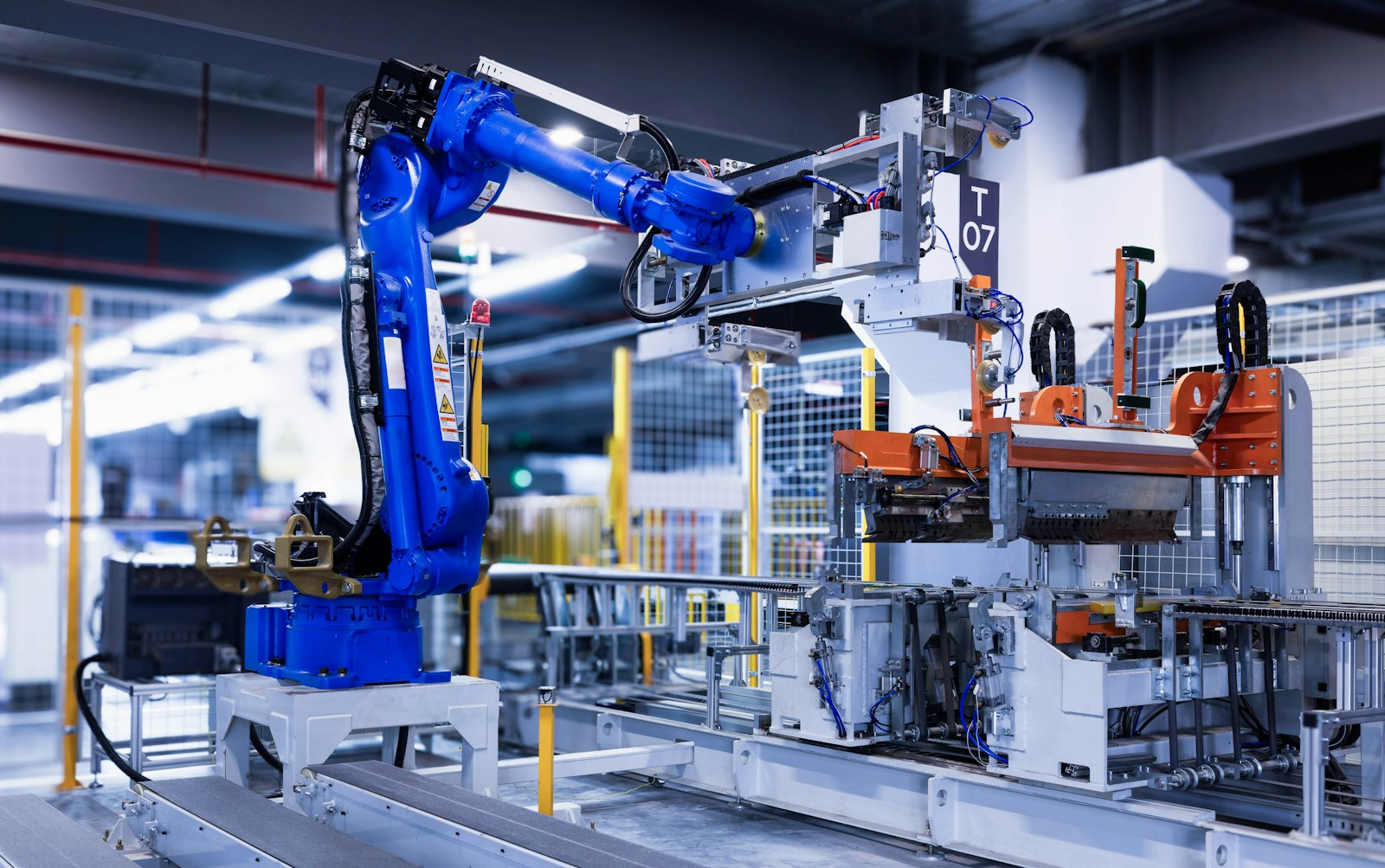
Traditional QC relies on operators pulling sample units off the line at set intervals. It catches obvious problems but can miss intermittent defects between samples: exactly the kind of issue that turns into a large-scale customer complaint if it isn't caught until a full pallet has already shipped.
Automated vision systems use high-speed cameras positioned along the production line to capture an image of every single unit as it passes, comparing it against a reference model in milliseconds. Systems can be configured to check dimensional accuracy, surface defects like scratches or sink marks, correct fill level, cap seating, and label placement, all without slowing line speed.
Effective in-line vision inspection sits immediately after molding or filling, before units move to secondary packaging: it catches defects at the point where rejects are cheapest to remove.
Ask any potential supplier what percentage of their production lines run automated vision inspection versus manual spot-checks. It's one of the clearest signals of how seriously a factory takes consistency at scale, and directly affects the defect rate on large production runs. Pair that question with a look at their quality management certification and their mold trial protocol, since in-line inspection only works when the tooling was validated first.
The Jadewell certifications page covers the company's quality management systems. Request a quote for a bottle or jar program.