

"How long will this take?" is one of the first questions every brand asks when starting a custom packaging project. The honest answer depends heavily on whether the program runs stock or fully custom tooling (covered in the stock vs. custom breakdown), and a realistic full-custom timeline follows a fairly consistent pattern.
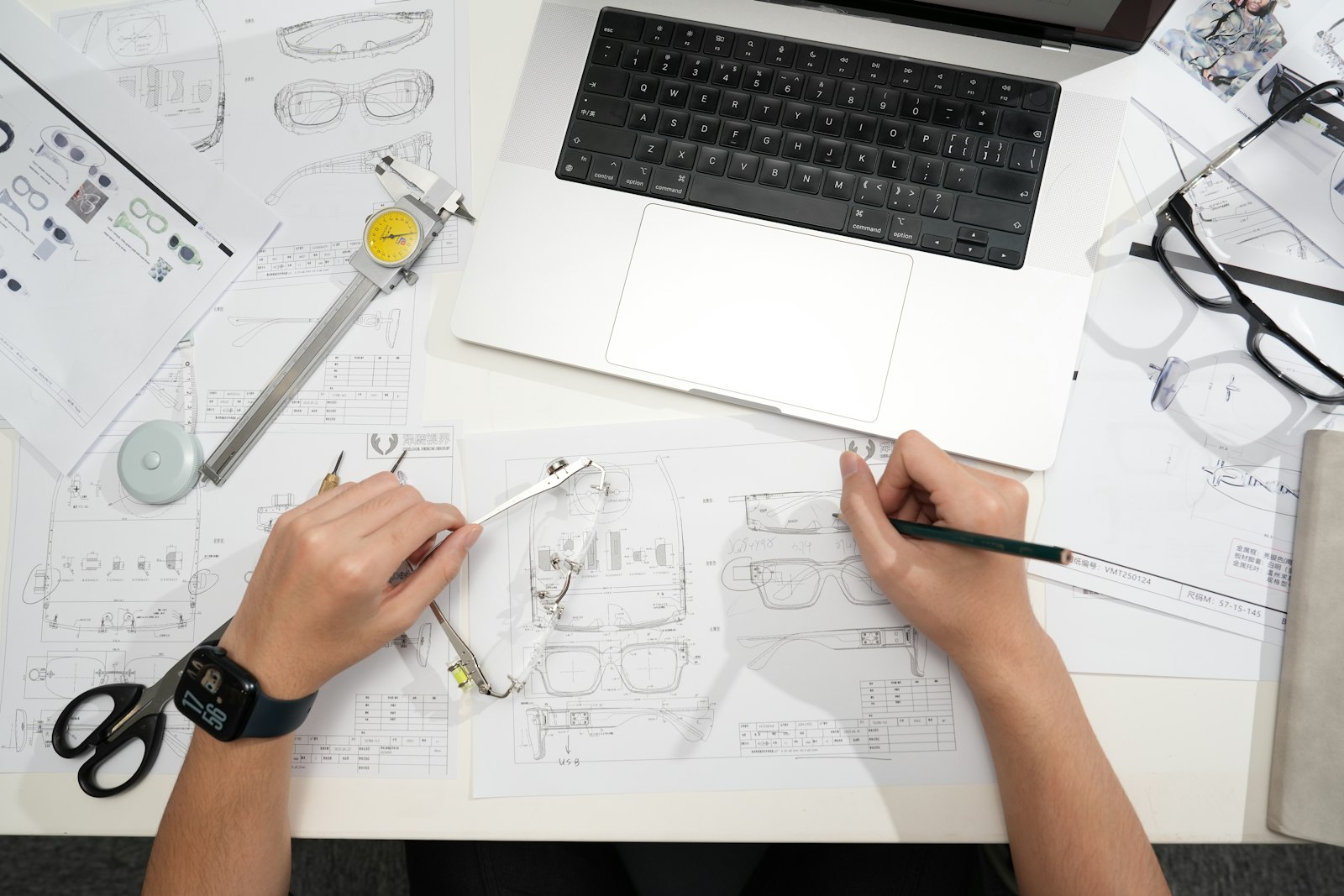
Initial concept sketches get translated into manufacturable CAD models, with engineering review for draft angles, wall thickness, and moldability. This stage often involves several rounds of revision as the design is refined for both aesthetics and production feasibility.
Once the design is locked, mold fabrication begins: typically the longest single stage in the timeline, and highly dependent on tool complexity and cavitation count, as covered in the piece on cavity count and cycle time.
The completed mold runs through T1 and T2 trials, with dimensional and cosmetic evaluation and any necessary tooling adjustments between rounds.
Brand sign-off on final samples, followed by any remaining compliance documentation (including FDA food-contact verification where applicable) before committing to a full production run.
Full production run, followed by ocean freight transit time, which adds several more weeks depending on origin port and destination.
The most common causes of delay are late-stage design changes after tooling has started, unclear compliance requirements discovered mid-process, and underestimating ocean freight transit time when setting a launch date. Building in buffer at each stage is what keeps a launch date intact.
A stock format compresses this considerably, since the design, tooling, and sampling stages drop out entirely. Check the open-stock catalog against the spec first, then request a quote.