

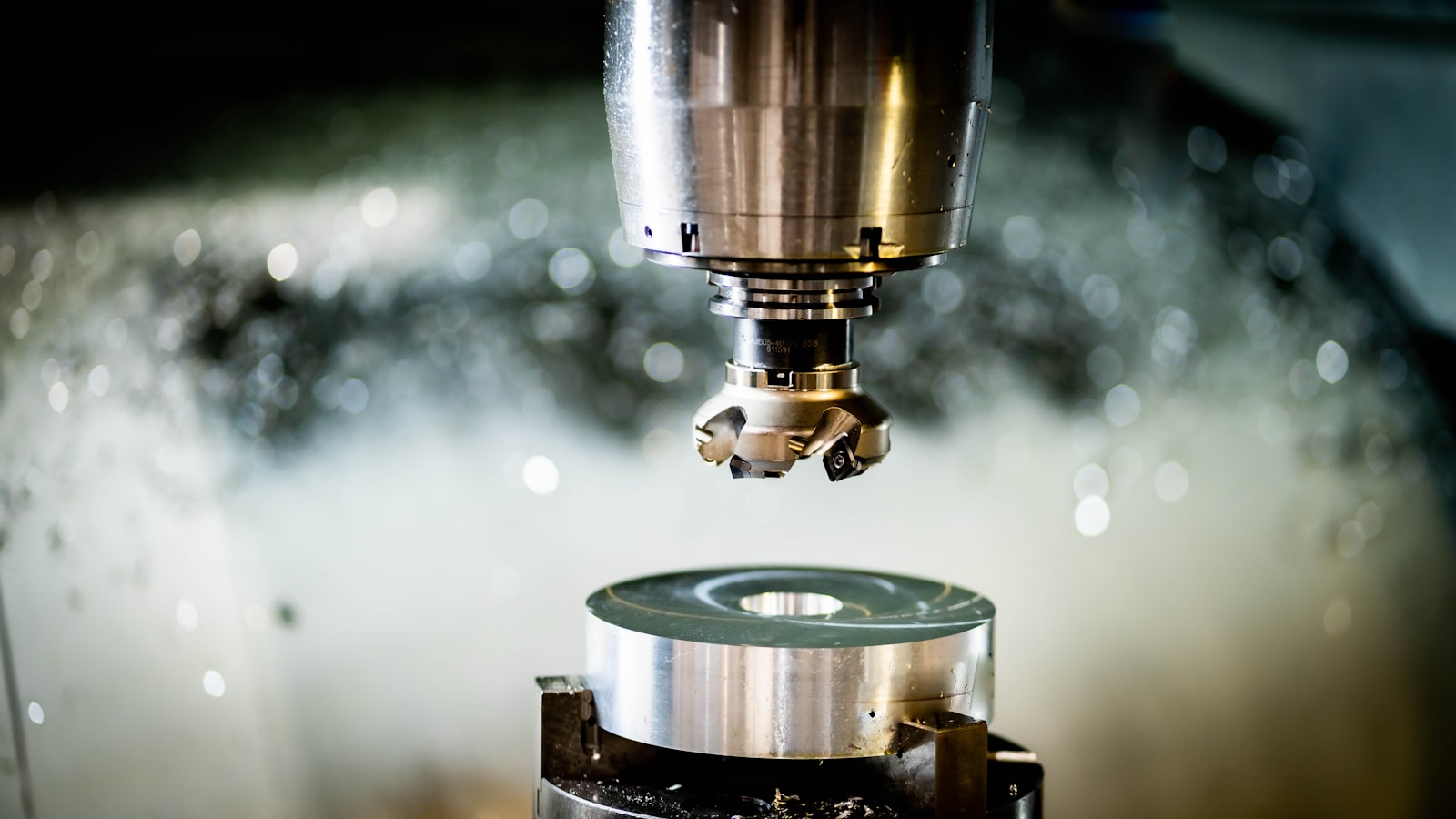
Once a mold is cut, it goes through a trial process designed to catch dimensional, cosmetic, and structural issues while they're still cheap to fix. An earlier article on preform production covers the injection molding step of the process; this article covers what happens to validate that tooling before it ever runs a production order.
The T1 sample is the mold's first output, often run on a lower-tonnage machine than final production to conserve tooling life while checking basic function. At T1, engineers evaluate whether the part fills completely, whether gates and ejector pins are placed correctly, and whether there are obvious defects like short shots, flash, or warping. T1 samples are rarely cosmetically perfect, and that is expected at this stage.
After T1 issues are corrected (which can mean polishing, adjusting gate size, or modifying cooling channels), the mold runs again for T2. This sample is evaluated against the full spec sheet: wall thickness tolerances, neck finish dimensions for closure compatibility, weld line location, and surface finish. For cosmetic packaging, T2 is typically the sample that goes to the brand for sign-off.
Skipping or rushing T1/T2 sampling to hit a launch date is the single most common cause of quality escapes among brands that previously worked with suppliers that don't enforce a formal trial process. Every custom mold at Jadewell is sampled and reviewed before release to production. Request a quote to confirm the sampling and inspection steps for a given program. Read more on how injection and blow molding fit together in the broader bottle production process.
Where a new tool is being cut, ask for the T1 and T2 dimensional reports before approving production. Request a quote with the part spec ready.