

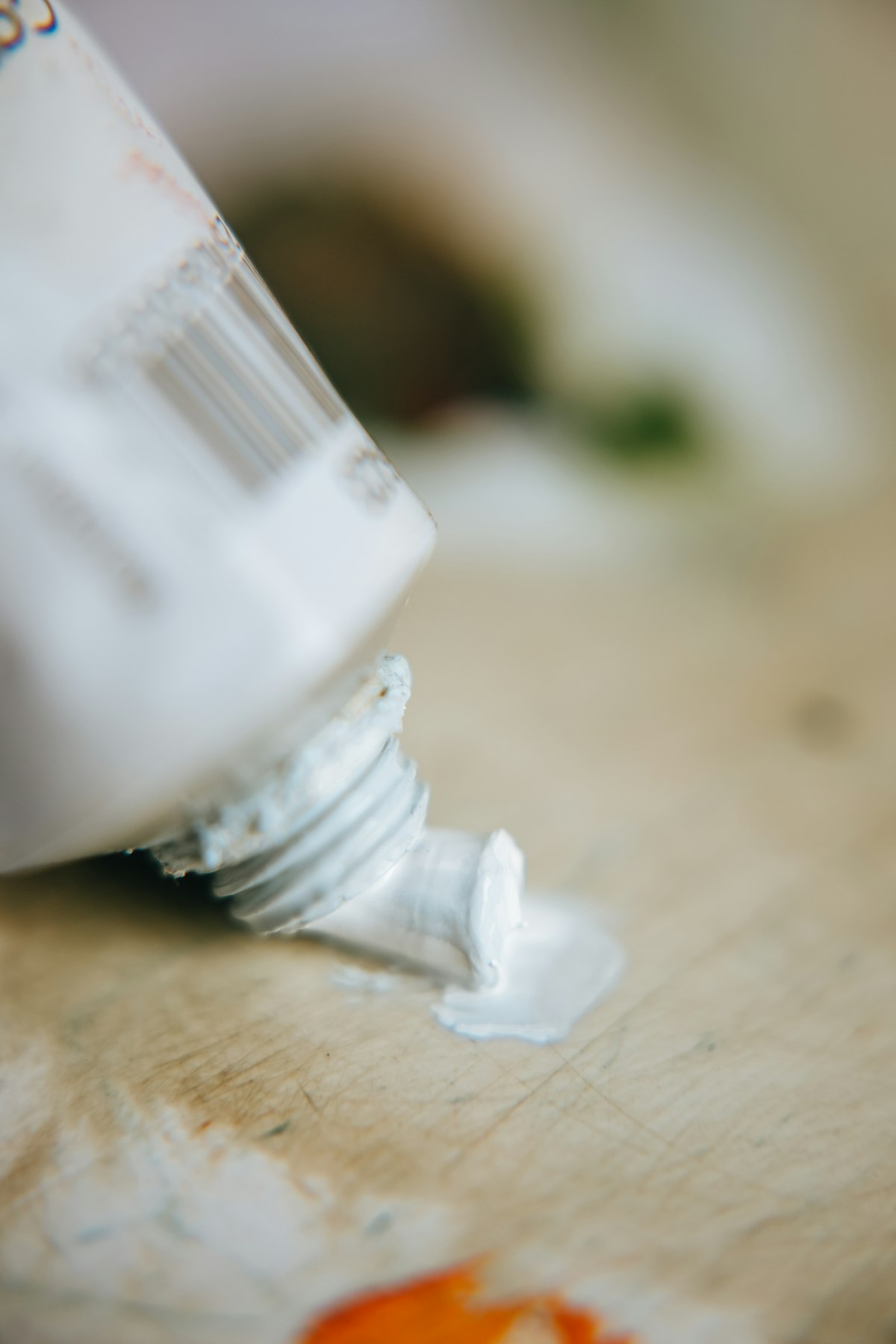
Tube packaging looks like a commodity decision until a formula starts oxidizing at the nozzle or a laminate delaminates on the shelf. The construction determines barrier performance and shelf life as well as squeeze feel.
Molded or extruded from LDPE, either as a single-layer monolayer tube or with a barrier layer added. Standard squeeze tubes rely on the user's hand pressure to dispense product through an open nozzle.
Simple, low-cost, and suitable for formulas that are not highly sensitive to oxygen exposure. LDPE is the resin of choice here specifically because it stays squeezable and recovers shape without cracking at the crimp.
These use an internal piston that rises as product is dispensed, preventing air from entering the tube and contacting the remaining formula. It is the same mechanism as an airless bottle, packaged in a tube body.
This matters for actives sensitive to oxidation, like vitamin C or retinol formulations, where air exposure degrades efficacy over the product's shelf life.
Built from multiple layers: typically an LDPE inner sealant layer, a barrier layer of EVOH or aluminum foil in the middle, and an outer printable layer.
Laminate tubes deliver oxygen and moisture barrier performance that a monolayer PE tube cannot match. The barrier layer is what makes laminate the standard for actives-heavy formulas that need both squeeze convenience and real shelf-life protection.
Formula sensitivity is the primary decision driver. Stable formulas with low oxidation risk are fine in a standard monolayer tube.
Oxygen-sensitive actives need either an airless tube or a laminate barrier structure. Cost sensitivity at high volume often pushes toward laminate over airless, since laminate tubes are generally cheaper per unit at scale.
Confirm the choice against stability testing data.
A tube sits between the two formats on the jar-versus-bottle spectrum. It handles thicker formulas than a pump can move, without the open-air exposure a jar creates every time a customer dips a finger in. For mid-viscosity cosmetics formulas, that middle ground is often the right answer.
Tube diameter and nozzle finish need to match the cap supplier's spec exactly. This is a common mismatch point when tube and closure come from different vendors without a confirmed fit check before production.
Flip-top and disc-top caps are the usual pairings, and the same selection logic applies as it would on a bottle.
Jadewell supplies standard, airless, and laminate barrier tubes, with nozzle and cap fit verified on tooling before production release. Request a quote on the tube construction, diameter, and fill volume required.