

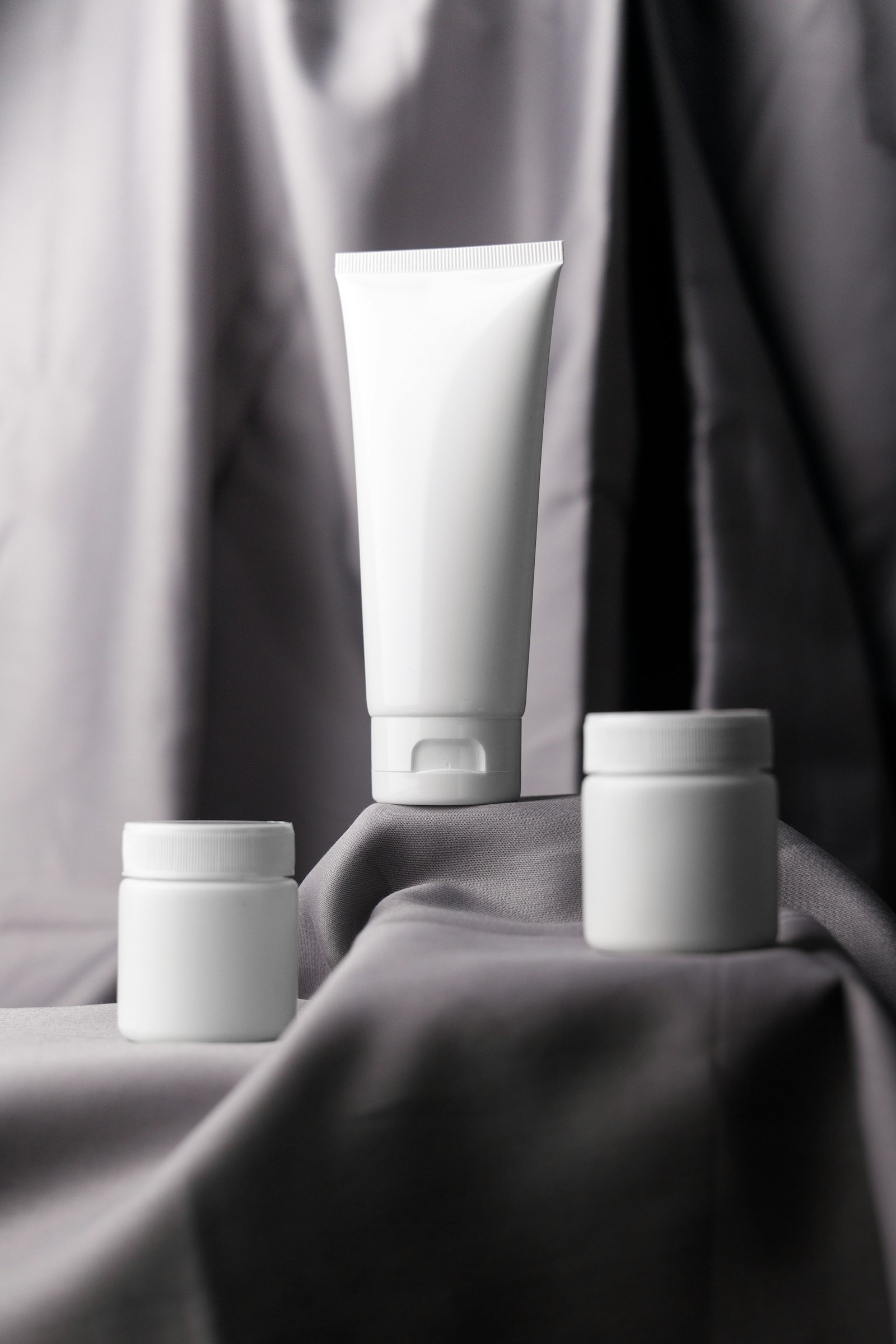
Resin selection comes down to what the packaging has to withstand: the product inside it, the shipping and storage conditions, and how the customer actually uses it. Selecting a resin after the mold is cut is expensive. Selecting it beforehand takes a five-minute conversation.
PP is the resin to reach for when a closure needs a living hinge, meaning a thin, flexible section that opens and closes thousands of times without cracking. It also holds up well against a broad range of chemicals and can handle sterilization temperatures, which is why it shows up constantly in caps and closures and jars that need to survive repeated use or an autoclave cycle.
High-density and low-density polyethylene are the resins behind most squeezable bottles and tubes. HDPE gives a firmer squeeze and stronger chemical barrier, useful for anything that needs to resist a solvent or an aggressive cleaning product. LDPE is softer and more flexible, better suited to a tube the customer squeezes to dispense product. Both resist impact well, which matters for anything shipping loose in a case.
PET is the clear choice, literally, when the packaging needs glass-like clarity and a strong gas barrier. It is the standard resin for stretch-blow molded cosmetic and beverage bottles because it holds a crisp, transparent finish and keeps oxygen and CO2 from migrating through the wall. It is a poor choice for a living hinge or a high-heat application, since PET softens at a lower temperature than PP. Getting an exact color into any of these resins is a separate process. See Color Matching in Plastic Packaging for how a Pantone target actually translates into a molded part.
Thermoplastic elastomer earns its place in soft-touch overmolding, typically on a cap or seal where a customer's hand meets a soft, rubber-like surface. It functions as a finishing material more than a structural one, usually paired with PP or another rigid resin underneath.
A program needing a living hinge or sterilization resistance starts with PP. A squeeze bottle or tube starts with HDPE or LDPE, depending on how soft the squeeze should feel. A program needing clarity starts with PET. A soft-touch surface layered on top of any of these calls for TPE overmolding. Locking this decision before tooling starts matters, because switching resin families after a mold is cut usually means a new mold. Resin choice also depends on the molding process in use. See Injection Molding vs. Blow Molding for how process and material fit together.
Learn more about Jadewell's plastic bottle capabilities and commodity and industrial packaging options, or request a quote.