

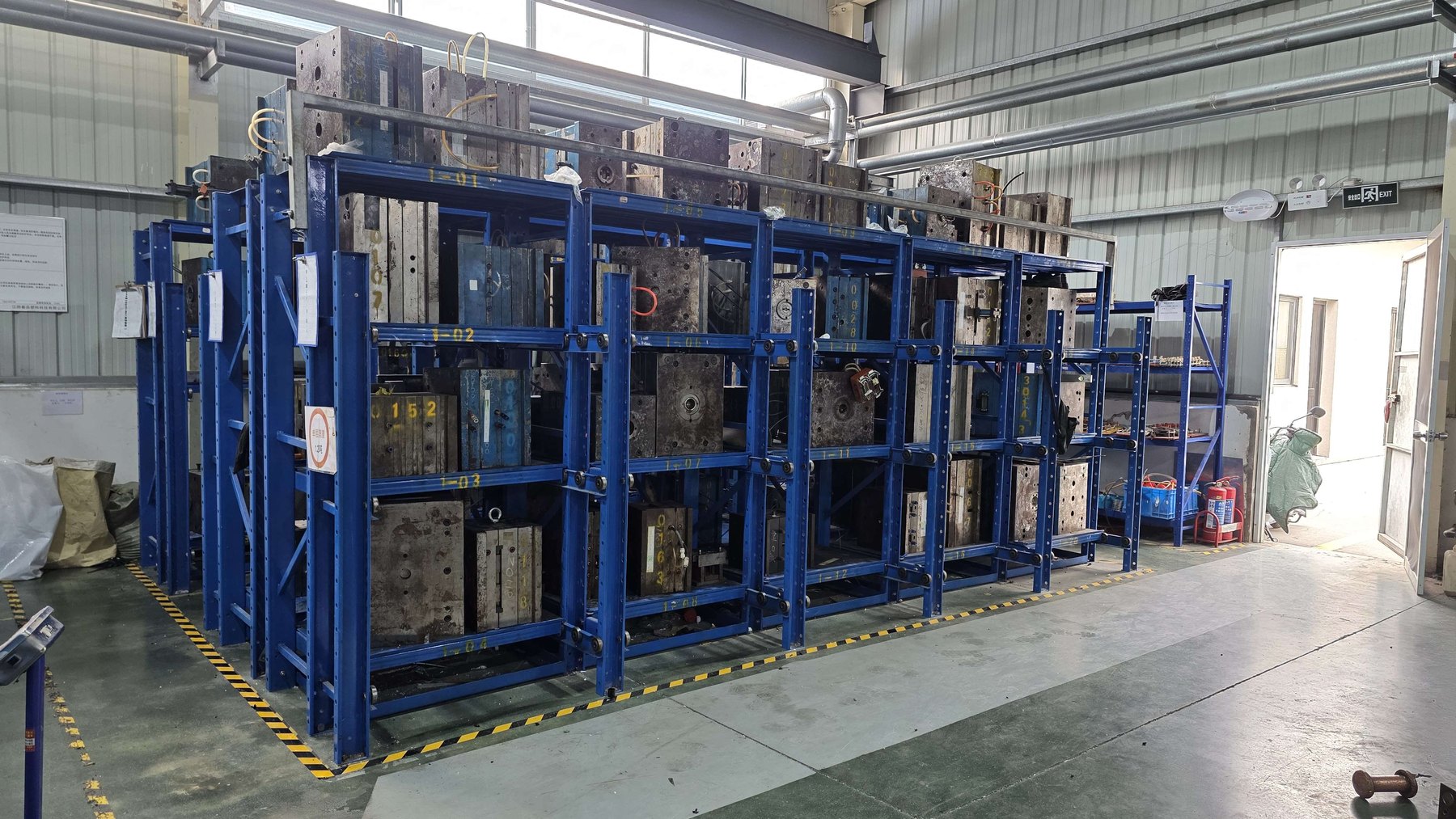
Paying for a custom mold and owning it are two different things unless the contract says otherwise. This is one of the most consequential terms in any custom packaging agreement, and one of the most commonly overlooked.
In many manufacturing relationships, the supplier who builds the tool retains physical possession and, absent explicit contract language, may claim ownership rights even after the buyer has paid the full tooling cost. Some suppliers structure tooling fees as a "tooling deposit" amortized into unit pricing, which can mean the buyer never actually owns the mold outright, even after years of production.
Brands without explicit ownership language have been stuck paying a supplier ongoing storage or "access" fees, or unable to move production to a lower-cost or more reliable factory even after a poor working relationship, because the tool never legally left the original supplier's hands.
Every custom tooling quote should state ownership terms explicitly, including what happens to the mold if the buyer stops ordering, if the supplier closes, or if the buyer wants to move production, whether to Jadewell's second facility or elsewhere. Ask for this in writing before tooling starts.
For programs that avoid the tooling question altogether, Jadewell's open-stock formats carry no mold charge and no ownership clause to negotiate. Otherwise, request a quote on the tooling and volume under consideration.