

November 16, 2026
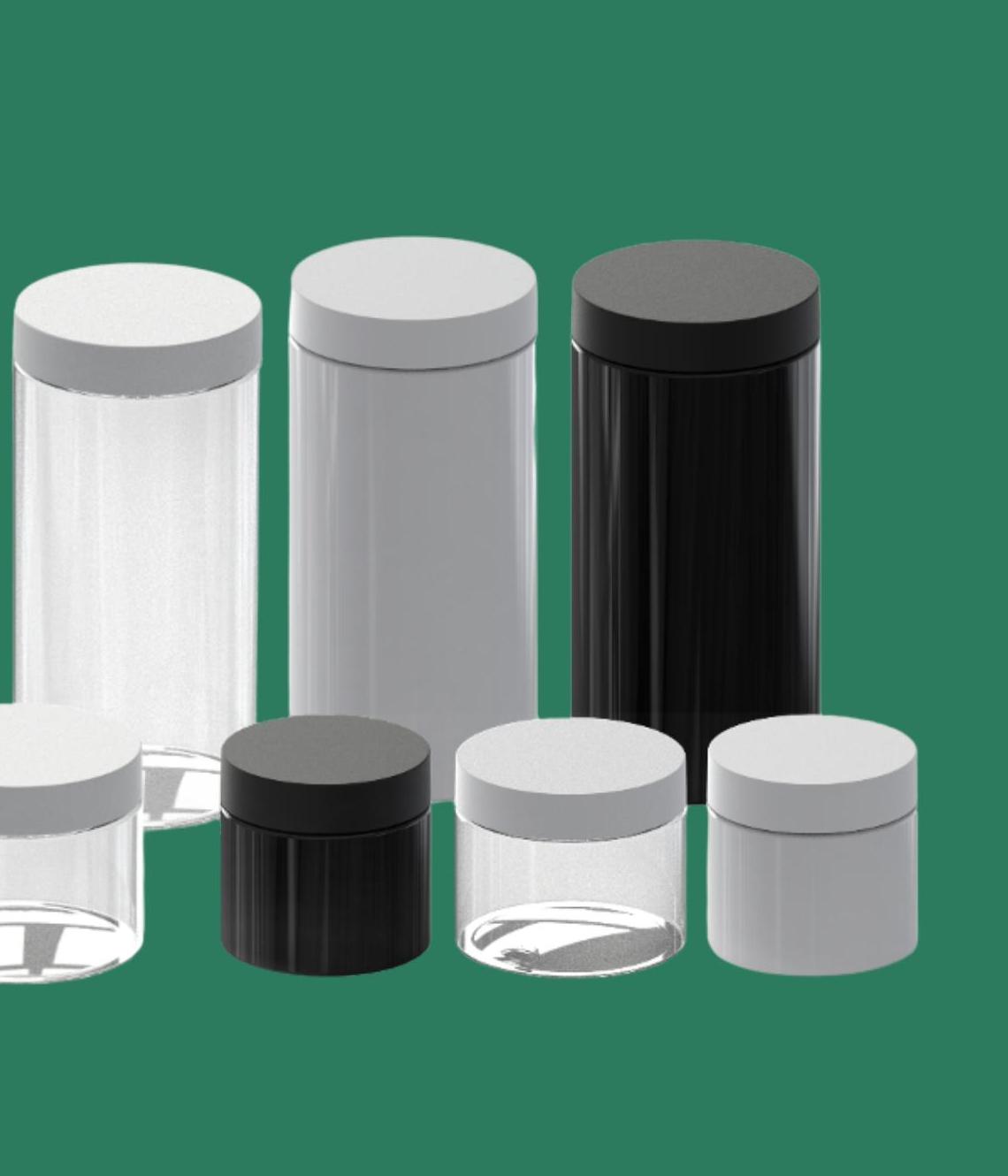
Post-consumer recycled resin sourced from mixed-color bottle streams typically comes out gray or slightly hazy, not clear, because sorting technology can't perfectly separate every colored bottle from a clear one before reprocessing. Food-grade, bottle-to-bottle PCR PET sourced from cleaner, more tightly sorted streams gets closer to virgin clarity but usually still carries a faint tint, which matters a great deal for a clear cosmetic jar and much less for an opaque tube or a colored bottle where the PCR content is invisible anyway.
Recycled resin, particularly HDPE and PP sourced from consumer packaging streams, can carry residual odor from prior contents or from the reprocessing itself, even after washing and decontamination steps. For fragrance-sensitive cosmetic products, unscented lotions, minimalist skincare lines marketed on ingredient purity, this is a real formulation risk, not a hypothetical one, and it's worth requesting an odor-tested resin lot before committing PCR content to a fragrance-free product line.
Not all PCR resin is approved for direct contact with cosmetic formulas the way virgin resin is by default. In the U.S., FDA guidance on recycled plastics in food-contact applications (which cosmetics packaging generally follows as a practical benchmark even though cosmetics aren't regulated as food) generally expects the reprocessing method to demonstrate it adequately removes contamination, commonly through a "super-clean" or equivalent decontamination process with documented validation. Ask your resin supplier for that documentation before specifying PCR content on anything that touches the formula directly.
A 30 percent PCR blend in an opaque HDPE bottle is usually a low-risk, high-payoff sustainability claim. A 100 percent PCR clear PET jar for a premium skincare line is a much harder engineering and sourcing problem, and claiming it without having tested clarity and odor on your actual formula is a good way to end up reformulating packaging after launch.
We source PCR resin with documented decontamination validation and test clarity and odor against the specific application before it goes into a production quote, not after. For the broader resin selection conversation, see PCR Resin Explained and PP vs. HDPE vs. PET.
Related capability: cosmetics packaging and our sustainability and PCR resin program.