

March 16, 2027
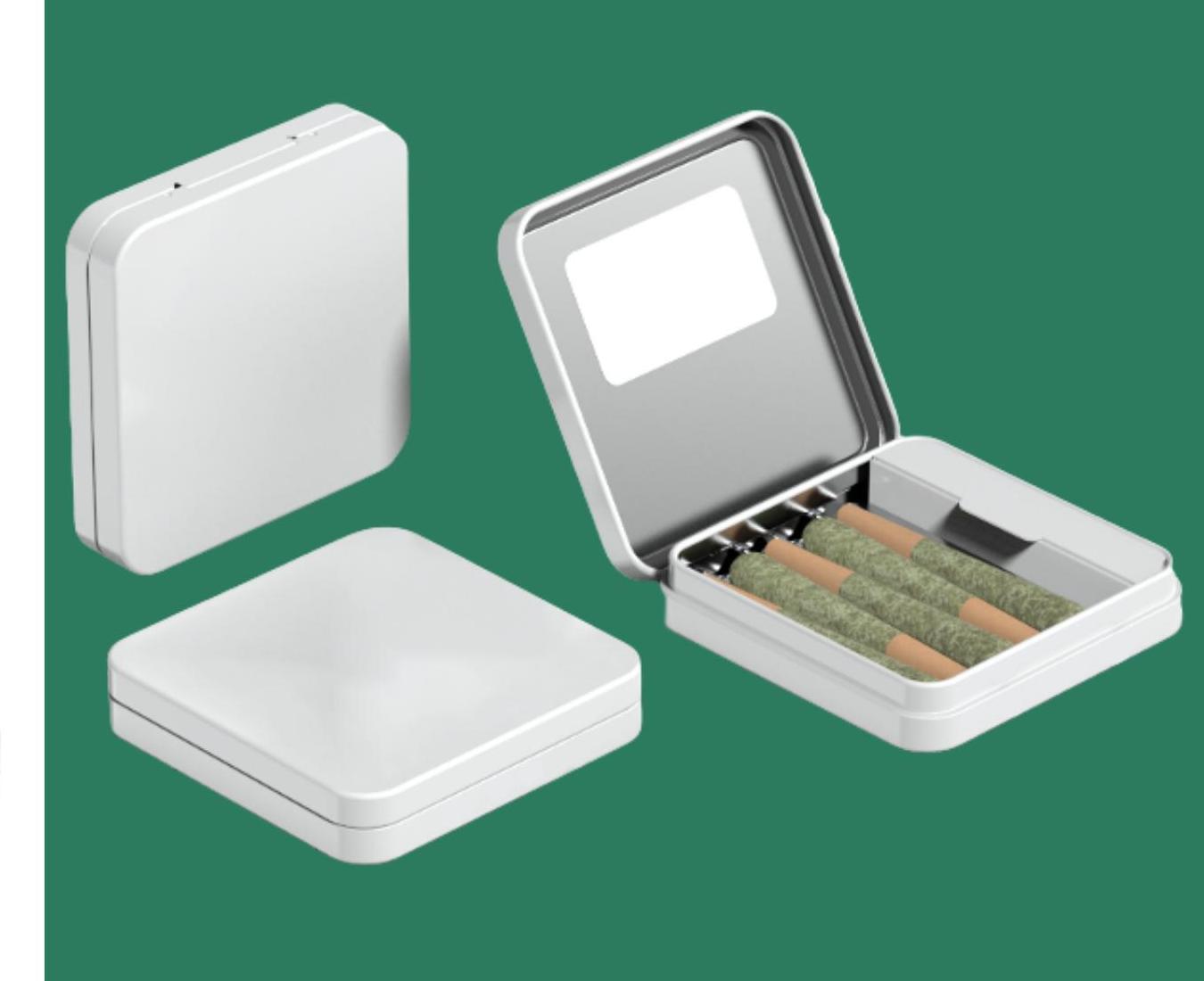
Nevada regulates cannabis packaging and labeling through the Cannabis Compliance Board (CCB) under the Nevada Administrative Code, chapter 453D, one of the states with an explicit third-party lab certification requirement for CR packaging written into the rule text itself.
All cannabis edibles must be sold in child-resistant, tamper-evident, opaque packaging that is resealable if intended for multiple uses, and Nevada's rule specifically requires that packaging be tested and certified by a CPSC-accepted laboratory, rather than allowing a general certification-of-conformity approach. Confirm your CR lab is on Nevada's accepted list, not just generally CPSC-compliant, before relying on a certification for Nevada distribution.
Packaging cannot feature imagery appealing to minors, including cartoons or designs mimicking common snacks. Edibles must be individually wrapped in single servings.
Nevada labels must display total THC content per serving and per package, an ingredient list, allergen warnings, and a statement cautioning consumers about delayed onset effects.
Nevada caps edibles at 10 milligrams of THC per serving and 100 milligrams per package, matching the common baseline used across most adult-use states.
Because Nevada's cap matches the common national baseline, a 100-milligram, ten-serving format generally clears Nevada on dosing alongside most other adult-use states; confirming your specific CR lab's Nevada-accepted status is the detail most likely to trip up an otherwise-compliant multi-state packaging program. For CR fundamentals, see What Child-Resistant Packaging Actually Requires. This article reflects currently published CCB regulations as of publication and is not legal advice; confirm current requirements with the CCB or cannabis regulatory counsel before finalizing packaging for production.
Source: Nevada Cannabis Compliance Board, ccb.nv.gov; Nevada Administrative Code 453D.808.
Discover our cannabis packaging capabilities, or request a quote.