

March 12, 2027
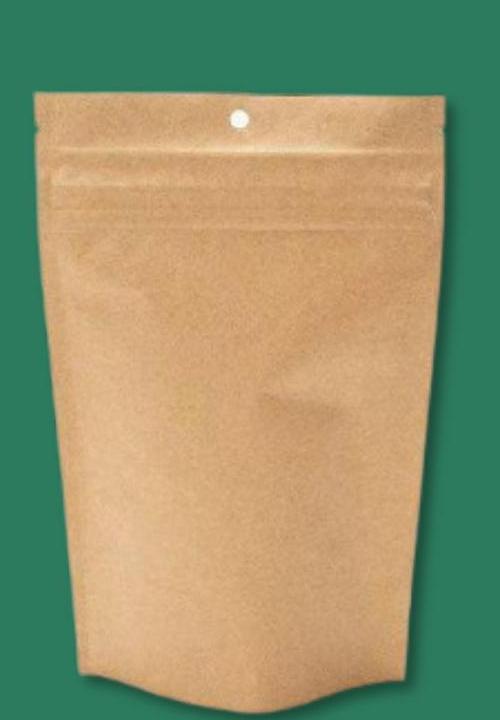
Arizona's cannabis packaging requirements are written directly into state statute, A.R.S. § 36-2854, rather than left entirely to agency rulemaking, which gives packagers a more stable, less frequently amended reference point than states that regulate primarily through agency rules.
Edible marijuana products must be placed in child-resistant packaging on exit from a marijuana establishment, and that packaging must comply with the federal Poison Prevention Packaging Act and CPSC testing standards, ensuring children under five cannot readily access the product.
All edible cannabis products must be packaged in opaque, resealable containers, and each serving must be clearly demarcated where the product contains multiple servings, through markings or breaks indicating each 10-milligram THC serving.
Arizona limits edible marijuana products to 10 milligrams of THC per serving and 100 milligrams per package, matching the common baseline used across most adult-use states.
Because Arizona's cap matches the common national baseline, a 100-milligram, ten-serving format generally clears Arizona on dosing alongside most other adult-use states; because the core requirements sit in statute rather than agency rule, they're somewhat less likely to shift without a legislative session behind the change, worth keeping in mind when evaluating how much regulatory risk to build into a packaging program timeline. For CR fundamentals, see What Child-Resistant Packaging Actually Requires. This article reflects currently published Arizona statute as of publication and is not legal advice; confirm current requirements with the Arizona Department of Health Services or cannabis regulatory counsel before finalizing packaging for production.
Source: Arizona Revised Statutes, A.R.S. § 36-2854.
Check out our cannabis packaging capabilities.